

Technology to
Your Business
Challenges


jācapps develops custom software applications including mobile apps, web applications, and other digital technologies
Explore our solutions




from Jacobs Media

When was the last time you actually thought about your station’s (or your company’s) mobile app strategy? How often do you research your mobile initiatives to make sure they’re aligned with your master strategy? Recently, ESPN redefined its entire mobile scheme, and with it, their content ecosystem. Paul and I did some homework on what it could mean for radio broadcasters. And that’s what today’s blog post is all about.

In Tuesday’s post, I outlined a rough schematic for how public radio could use its latest “bump” to carve out a path for the future. …
In Tuesday’s post, I outlined a rough schematic for how public radio could use its latest “Trump Bump” to carve out a path for the future. In today’s post, it’s put-up-or-shut-up time. As we wrap up a short week, this post will fill in some of the blanks and color in some solutions to remedy our nation’s beleaguered public radio stations:

Radio programmers are often criticized for being “old school,” focused on ratings rather than on entertaining. But today’s #TBT post questions that logic using real world examples of broadcast radio PDs who have made the transition to the digital world. And soon, Pandora—and perhaps Spotify—may find out just what great radio programmers are capable of. The really talented ones can program anything.

What kind of year has it been so far in radio? We know digital revenue is up, while traditional billing is down. And Christian radio continues to shine. But in public radio, it’s been a tough go since the defunding decision by Congress earlier in the summer. How can public radio stations and their operators respond, stay relevant, and healthy in an increasingly turbulent environment? It turns out these action steps and solutions will resonate for everyone in radio.
When was the last time you actually thought about your station’s (or your company’s) mobile app strategy? How often do you research your mobile initiatives to make sure they’re aligned with your master strategy? Recently, ESPN redefined its entire mobile scheme, and with it, their content ecosystem. Paul and I did some homework on what it could mean for radio broadcasters. And that’s what today’s blog post is all about.
In Tuesday’s post, I outlined a rough schematic for how public radio could use its latest “bump” to carve out a path for the future. …
our blog

On the eve of Morning Show Boot Camp 36 in San Diego, I’m putting the finishing touches on my presentation of our AQ6 research study. Made up completely of commercial radio talent, more than 500 DJs, hosts, and personalities weighed in this year on a wide variety of topics. Of them all, it’s their opinions about where AI is headed that stand out as most telling and insightful. Today’s blog begins to paint that all-important picture of a radio industry in flux, looking for answers about AI.
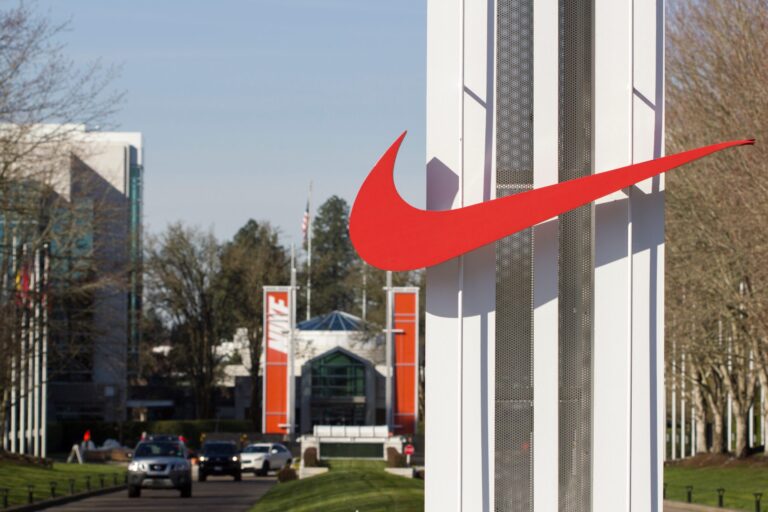
COVID was a major fork in the road for myriad businesses. But you may be surprised to learn that hip, venerable, and bold Nike is one of those brands that has profoundly suffered since the pandemic. How Nike is staging out its comeback is a great primer for all of us in radio trying to nurture, grow, and sustain our best station brands. Some teach “Learn from the best,” but I subscribe to the theory you can learn from the biggest screwups if you’re paying attention. So, slip on those Air Jordans and click on “READ MORE.”
Helping Classic Rock stations fight back against that dreaded “demographic cliff” has become one of my missions. After all, how do you keep 60 year-old music that is at least two decades or more older than the target audience sounding fresh and vital? Now, imagine what Classical-formatted stations are up against, specializing in music that’s often FOUR CENTURIES old? But innovative organizations – in and out of radio – are finding ways. And their creative, resilient solutions are something every radio station, regardless of format, should be aware of. Maestro, just click “read more.”