


Technology to
Your Business
Challenges


jācapps develops custom software applications including mobile apps, web applications, and other digital technologies
Explore our solutions




from Jacobs Media

When was the last time you actually thought about your station’s (or your company’s) mobile app strategy? How often do you research your mobile initiatives to make sure they’re aligned with your master strategy? Recently, ESPN redefined its entire mobile scheme, and with it, their content ecosystem. Paul and I did some homework on what it could mean for radio broadcasters. And that’s what today’s blog post is all about.

In Tuesday’s post, I outlined a rough schematic for how public radio could use its latest “bump” to carve out a path for the future. …
In Tuesday’s post, I outlined a rough schematic for how public radio could use its latest “Trump Bump” to carve out a path for the future. In today’s post, it’s put-up-or-shut-up time. As we wrap up a short week, this post will fill in some of the blanks and color in some solutions to remedy our nation’s beleaguered public radio stations:

Radio programmers are often criticized for being “old school,” focused on ratings rather than on entertaining. But today’s #TBT post questions that logic using real world examples of broadcast radio PDs who have made the transition to the digital world. And soon, Pandora—and perhaps Spotify—may find out just what great radio programmers are capable of. The really talented ones can program anything.

What kind of year has it been so far in radio? We know digital revenue is up, while traditional billing is down. And Christian radio continues to shine. But in public radio, it’s been a tough go since the defunding decision by Congress earlier in the summer. How can public radio stations and their operators respond, stay relevant, and healthy in an increasingly turbulent environment? It turns out these action steps and solutions will resonate for everyone in radio.
When was the last time you actually thought about your station’s (or your company’s) mobile app strategy? How often do you research your mobile initiatives to make sure they’re aligned with your master strategy? Recently, ESPN redefined its entire mobile scheme, and with it, their content ecosystem. Paul and I did some homework on what it could mean for radio broadcasters. And that’s what today’s blog post is all about.
In Tuesday’s post, I outlined a rough schematic for how public radio could use its latest “bump” to carve out a path for the future. …
our blog
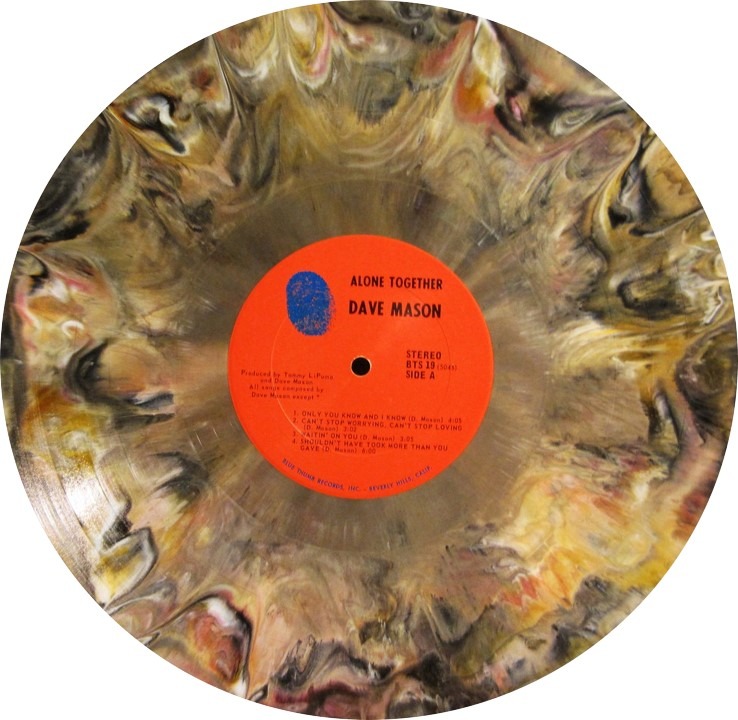
By now, we all know about vinyl’s comeback. Consumers are buying physical records again, and the music industry is vibratinig with the renewed sales of albums. The most innovative of the music makers are leaning into their most fanatical fans – the collectors who have to own every vinyl variant they can get their hands on.from their favorite artists. Colored vinyl, picture discs, and other innovations are changing the economics of the music game. Can radio benefit from this phenomenon? Click on “READ MORE” to check it out.
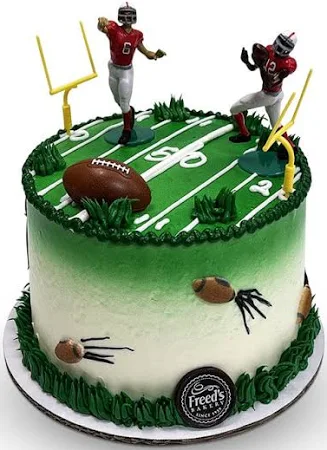
Imagine a 4 minute playoff that would pit all 32 NFL teams against each other in head-to-head combat. Well, that happened last week – but not on any football field. Instead, every NFL team competed hard on social media to produce the funniest, cleverest, and most viral video short to highlight the 2024-25 schedule. It’s a case study in creativity, celebrity, and humor. And there are great lessons here for radio stations and their personality shows. Are you ready for the “2024 NFL Schedule Debut Bake-Off?”

The restaurant business is littered with eateries that started with great promise, only to fizzle out. Kind of like radio station formats. For today’s blog, it’s a look at consumer food products and the lengths they now go to in order to stand out and grab attention – without compromising the essence of their brands. I hope that deep into my many analogies, you’ll walk away with a different way to think about the radio stations you program and market.