


Technology to
Your Business
Challenges


jācapps develops custom software applications including mobile apps, web applications, and other digital technologies
Explore our solutions




from Jacobs Media

When was the last time you actually thought about your station’s (or your company’s) mobile app strategy? How often do you research your mobile initiatives to make sure they’re aligned with your master strategy? Recently, ESPN redefined its entire mobile scheme, and with it, their content ecosystem. Paul and I did some homework on what it could mean for radio broadcasters. And that’s what today’s blog post is all about.

In Tuesday’s post, I outlined a rough schematic for how public radio could use its latest “bump” to carve out a path for the future. …
In Tuesday’s post, I outlined a rough schematic for how public radio could use its latest “Trump Bump” to carve out a path for the future. In today’s post, it’s put-up-or-shut-up time. As we wrap up a short week, this post will fill in some of the blanks and color in some solutions to remedy our nation’s beleaguered public radio stations:

Radio programmers are often criticized for being “old school,” focused on ratings rather than on entertaining. But today’s #TBT post questions that logic using real world examples of broadcast radio PDs who have made the transition to the digital world. And soon, Pandora—and perhaps Spotify—may find out just what great radio programmers are capable of. The really talented ones can program anything.

What kind of year has it been so far in radio? We know digital revenue is up, while traditional billing is down. And Christian radio continues to shine. But in public radio, it’s been a tough go since the defunding decision by Congress earlier in the summer. How can public radio stations and their operators respond, stay relevant, and healthy in an increasingly turbulent environment? It turns out these action steps and solutions will resonate for everyone in radio.
When was the last time you actually thought about your station’s (or your company’s) mobile app strategy? How often do you research your mobile initiatives to make sure they’re aligned with your master strategy? Recently, ESPN redefined its entire mobile scheme, and with it, their content ecosystem. Paul and I did some homework on what it could mean for radio broadcasters. And that’s what today’s blog post is all about.
In Tuesday’s post, I outlined a rough schematic for how public radio could use its latest “bump” to carve out a path for the future. …
our blog
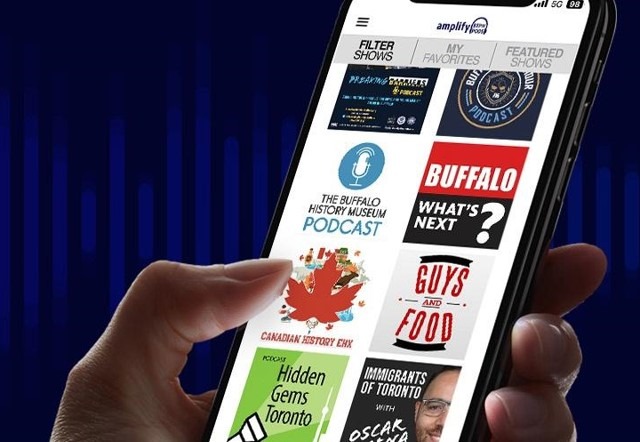
As research budgets continue to dwindle, broadcasters should recognize just how much free data is available. That’s what our Techsurveys have been all about over the past 20 years. And now a new research study focused on female radio consumers is out, and it’s loaded with timely and actionable insights. One of its conclusions? Radio could do a much better job with its mobile app efforts. That’s the topic of today’s blog post, along with some easy and free techniques any station can use to market its app.

What makes a legendary radio station? Is it about how many Marconi and Crystal statues it manages to snag? Is it about how much cash flowed during its lifetime? Or is it more about longevity and whether it stayed with its original format throughout its radio lifetime? That’s the topic of today’s #TBT blog post where the center of attention is a long-running radio station whose plug got pulled five years ago in 2019. You know the call letters, but can we consider this station an iconic radio brand?
In their most recent earnings call, Starbucks experienced a rough prior quarter, which brought out the boo birds and second guessers. This time, it also brought out the company’s long running CEO, Howard Schultz. He ran the Starbucks empire for nearly 40 years, and he recently posted an “explainer” of how Startucks got itself ijnto this mess – and how to get out of it. Yes, Schultz’s story dovetails nicely into radio’s current challenges. Pour yourself a cup of coffee and click “READ MORE.”