


Technology to
Your Business
Challenges


jācapps develops custom software applications including mobile apps, web applications, and other digital technologies
Explore our solutions




from Jacobs Media

When was the last time you actually thought about your station’s (or your company’s) mobile app strategy? How often do you research your mobile initiatives to make sure they’re aligned with your master strategy? Recently, ESPN redefined its entire mobile scheme, and with it, their content ecosystem. Paul and I did some homework on what it could mean for radio broadcasters. And that’s what today’s blog post is all about.

In Tuesday’s post, I outlined a rough schematic for how public radio could use its latest “bump” to carve out a path for the future. …
In Tuesday’s post, I outlined a rough schematic for how public radio could use its latest “Trump Bump” to carve out a path for the future. In today’s post, it’s put-up-or-shut-up time. As we wrap up a short week, this post will fill in some of the blanks and color in some solutions to remedy our nation’s beleaguered public radio stations:

Radio programmers are often criticized for being “old school,” focused on ratings rather than on entertaining. But today’s #TBT post questions that logic using real world examples of broadcast radio PDs who have made the transition to the digital world. And soon, Pandora—and perhaps Spotify—may find out just what great radio programmers are capable of. The really talented ones can program anything.

What kind of year has it been so far in radio? We know digital revenue is up, while traditional billing is down. And Christian radio continues to shine. But in public radio, it’s been a tough go since the defunding decision by Congress earlier in the summer. How can public radio stations and their operators respond, stay relevant, and healthy in an increasingly turbulent environment? It turns out these action steps and solutions will resonate for everyone in radio.
When was the last time you actually thought about your station’s (or your company’s) mobile app strategy? How often do you research your mobile initiatives to make sure they’re aligned with your master strategy? Recently, ESPN redefined its entire mobile scheme, and with it, their content ecosystem. Paul and I did some homework on what it could mean for radio broadcasters. And that’s what today’s blog post is all about.
In Tuesday’s post, I outlined a rough schematic for how public radio could use its latest “bump” to carve out a path for the future. …
our blog
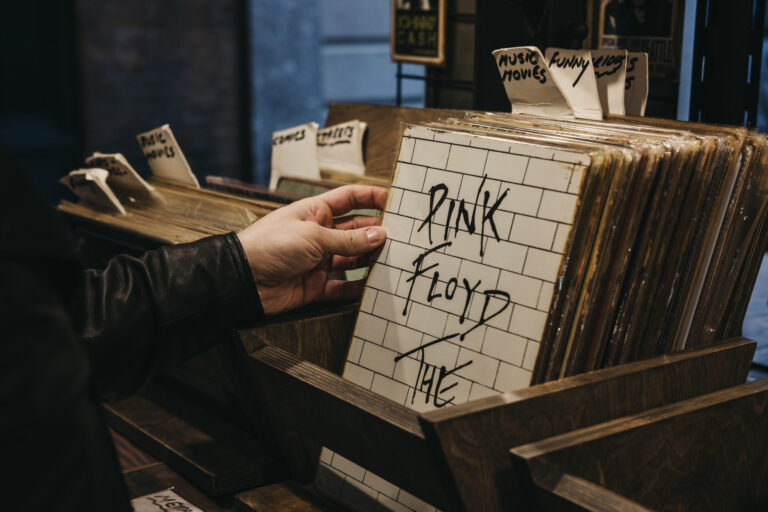
The big thing in music since the pandemic has been artists selling their incredible catalogs of hits to the highest bidder. Many of their songs will end up being licensed to film makers, TV producers, and game creators. From Dylan to Queen, it seems like everyone’s stash is for sale. The latest? Pink Floyd just sold their entire kit and kaboodle to Sony Music for $400 million. In today’s blog post, we lend our expertise to ensure Sony gets plenty of ROI from this mega-transaction.

No matter your position at the radio station – or your radio company – it’s about preparation. That’s especially the case in the air studio when it comes to producing and airing a competitive morning show, five days a week. 48 weeks a year. For inspiration, we turn to former star quarterback and now NFL analyst, Troy Aikman. He provides a great 6-pack of preparation ideas for whatever shift you work on the air. To enjoy today’s #TBT post, just click on READ MORE.

Everywhere you look, on virtually every gadget you own there is now a screen – often multiple screens. And yet, many consumers desire a return to the era where we controlled our machines with knobs, buttons, and physical switches. In particular, what are the automakers thinking and are we consumers getting what we want?