


Technology to
Your Business
Challenges


jācapps develops custom software applications including mobile apps, web applications, and other digital technologies
Explore our solutions





from Jacobs Media

When was the last time you actually thought about your station’s (or your company’s) mobile app strategy? How often do you research your mobile initiatives to make sure they’re aligned with your master strategy? Recently, ESPN redefined its entire mobile scheme, and with it, their content ecosystem. Paul and I did some homework on what it could mean for radio broadcasters. And that’s what today’s blog post is all about.

In Tuesday’s post, I outlined a rough schematic for how public radio could use its latest “bump” to carve out a path for the future. …
In Tuesday’s post, I outlined a rough schematic for how public radio could use its latest “Trump Bump” to carve out a path for the future. In today’s post, it’s put-up-or-shut-up time. As we wrap up a short week, this post will fill in some of the blanks and color in some solutions to remedy our nation’s beleaguered public radio stations:

Radio programmers are often criticized for being “old school,” focused on ratings rather than on entertaining. But today’s #TBT post questions that logic using real world examples of broadcast radio PDs who have made the transition to the digital world. And soon, Pandora—and perhaps Spotify—may find out just what great radio programmers are capable of. The really talented ones can program anything.

What kind of year has it been so far in radio? We know digital revenue is up, while traditional billing is down. And Christian radio continues to shine. But in public radio, it’s been a tough go since the defunding decision by Congress earlier in the summer. How can public radio stations and their operators respond, stay relevant, and healthy in an increasingly turbulent environment? It turns out these action steps and solutions will resonate for everyone in radio.
When was the last time you actually thought about your station’s (or your company’s) mobile app strategy? How often do you research your mobile initiatives to make sure they’re aligned with your master strategy? Recently, ESPN redefined its entire mobile scheme, and with it, their content ecosystem. Paul and I did some homework on what it could mean for radio broadcasters. And that’s what today’s blog post is all about.
In Tuesday’s post, I outlined a rough schematic for how public radio could use its latest “bump” to carve out a path for the future. …
our blog

It’s a question that’s been bandied about since the dawn of the streaming era: Does radio still make – or break – a new song? I’ve heard the debates, and I’ve participated in them. Earlier this year, I wrote a…
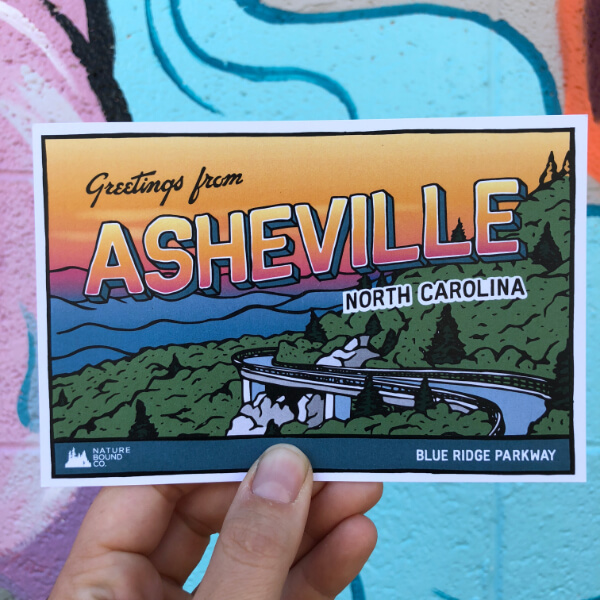
Another week in America, and another weather disaster, this time in the Asheville area. By now, you’ve no doubt read the heroic stories about valiant coverage from local radio stations in the market. So, why write about their exploits on this blog on this day? Because even with depleted resources and staff cutbacks, several radio operations in market #155 – public and commercial – have stepped up big time to do what only broadcast radio can do. This is radio’s “why.”

This week, Basis, the Chicago-based demand-side ad platform, released results of a survey of 140+ marketers’ opinions on the impact of AI on their work. The results mirrored those of the Marketing AI Institute’s, which was released in early August. Marketers are using AI a little now,…